
Supporting the supporter:
A guide for partners and caregivers

When someone you love is diagnosed with cancer, your world changes too. Partners and caregivers often carry the emotional weight while juggling routines, parenting, work, and medical logistics. These tips offer compassionate, practical advice to help you care for your loved one—without losing yourself in the process.
Acknowledge Your Own Emotions
- It’s normal to feel fear, sadness, helplessness, anger, or guilt.
- You might feel you need to ‘stay strong,’ but suppressing emotions can lead to burnout.
- Give yourself permission to feel and seek emotional support when you need it.
Communicate with Your Partner
- Let your partner know how you’re feeling, too—open dialogue builds emotional closeness.
- Be honest, but gentle. Use ‘I’ statements (e.g., “I feel worried about what’s next.”).
- Don’t assume you must fix everything—often, listening is enough.
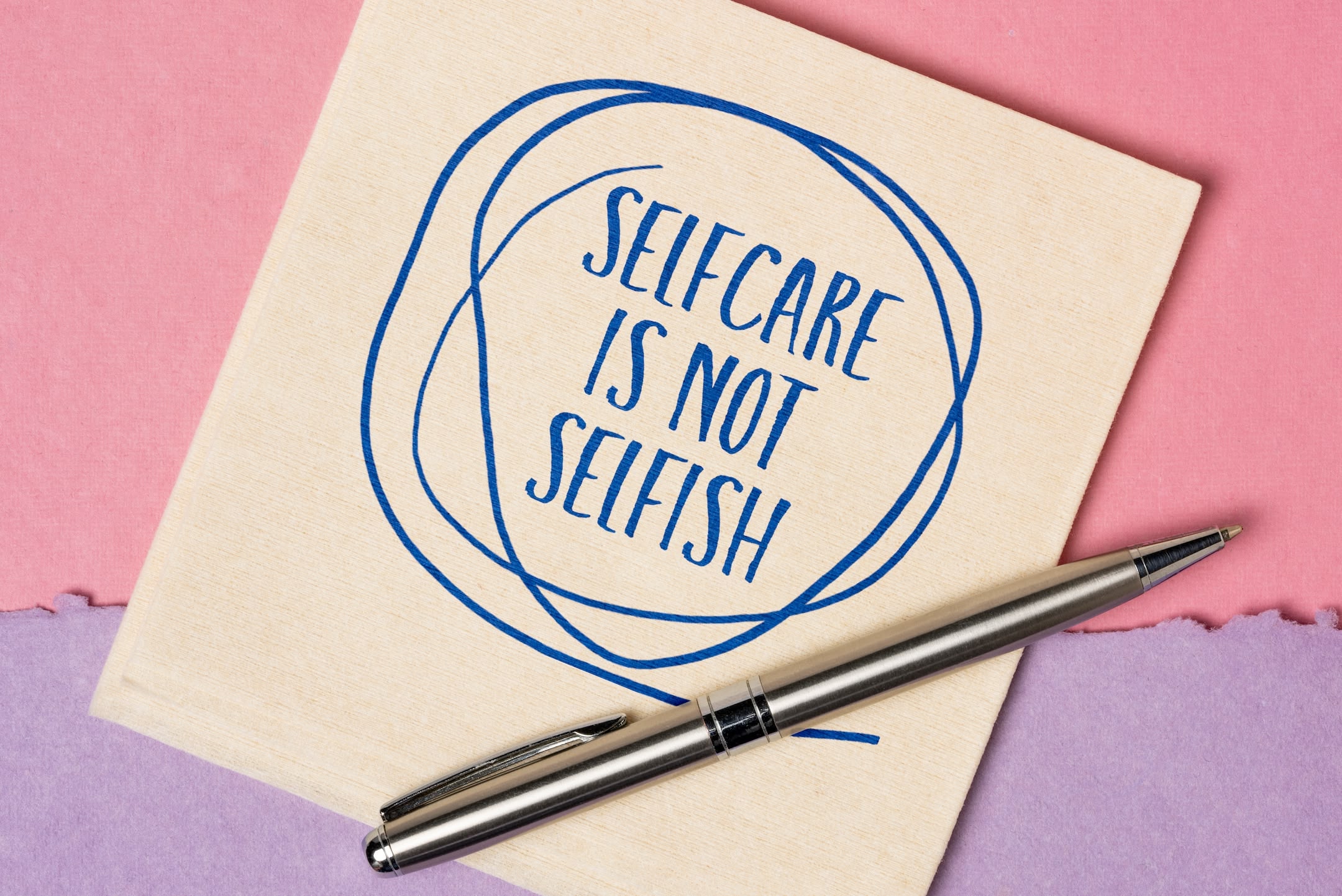
Make Time for Yourself
- Even short moments of time-out help—walks, music, a coffee break, journaling.
- Use extended family and trusted friends to take breaks without guilt.
- You can’t pour from an empty cup—self-care is essential, not selfish.
Manage Guilt and Expectations
- You may feel guilty for being healthy, for feeling overwhelmed, or for needing space.
- Remind yourself: your feelings are valid, and taking care of yourself helps your family.
- Let go of perfectionism—doing your best is enough.
Care for the Children
- Stick to familiar routines as much as possible—they create emotional safety.
- Answer their questions simply and truthfully. It’s okay not to know all the answers.
- Model emotional regulation—show them it’s okay to feel and talk about it.

Build a Support Network
- You don’t have to do this alone. Lean on friends, family, or online groups.
- Consider counselling or peer support groups for caregivers—it helps to talk.
- Identify 1–2 people who can check in on YOU regularly.
Plan for Practical Support
- Create a shared calendar for appointments, meals, and child care logistics.
- Delegate where you can—accept help with cooking, errands, school pick-ups.
- Don’t try to keep life ‘normal’—adapt and simplify where possible.
Know When to Seek Help
- Watch for signs of burnout: trouble sleeping, feeling numb or irritable, withdrawal.
- If you feel overwhelmed or hopeless, speak to a GP or psychologist.
- You deserve just as much care and support as the person who is unwell.
You are doing something extraordinary—showing up every day with love, strength, and care. This journey is hard, but you don’t have to walk it alone. Reach out. You matter too.